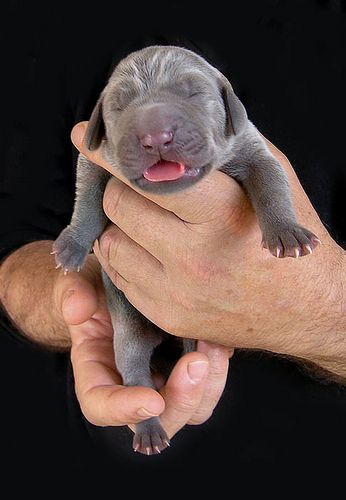
Newborn pups usually need just a few things to survive their initial weeks, those things bring warmth, food, and their mom but many times we see complicated birth situations in animals which sadly end with the mother either not being in the condition to feed the newborns, rejecting the litter or the mother not surviving after. In all these situations, it becomes necessary to step in and provide all the things above to the young pups and keep them alive and healthy.
The most convenient and popular way to feed the newborn puppies and kittens is to buy the box formula from the market, commonly known as a commercial canine milk replacer, mix that with some lukewarm water and feed the young ones. But this is not pocket friendly when we are looking at feeding a whole litter which normally involves 6 to 8 pups at a time.
To make a pocket-friendly, healthy, and nourishing feed for the newborns at home, milk, either cow’s/ Buffalo’s or Goat’s(it is easier to digest), coming directly from dairy would be advised ideally instead of the grocery bought, pasteurized cow’s milk as the store-bought milk can cause health issues like sinus, diarrhoea or tummy aches. But by buying quality milk, adding extra nutritional things into it and by properly feeding the puppy, we can make sure such ailments don’t occur.
Feeding quantity and quality, i.e. how much to feed?
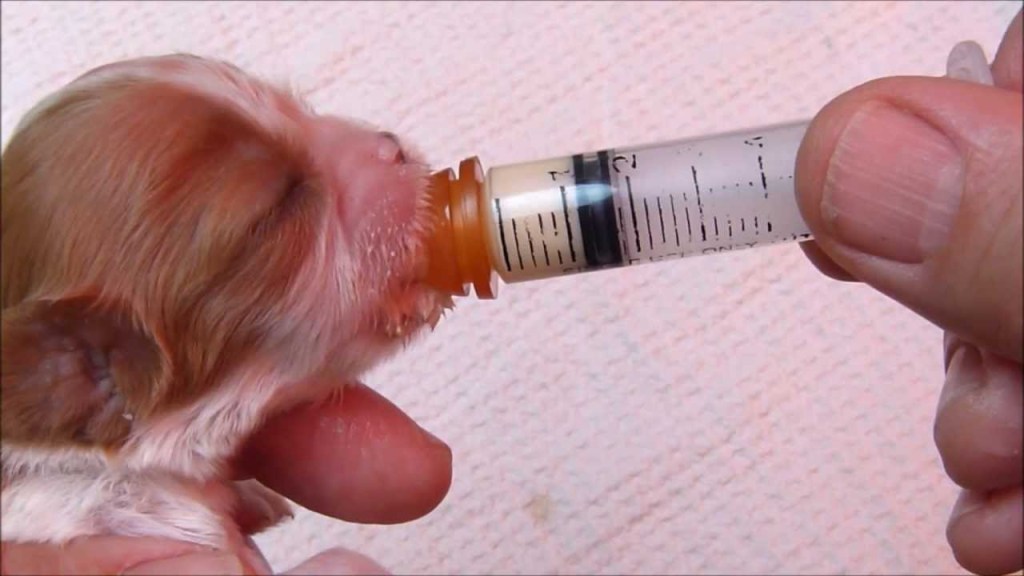
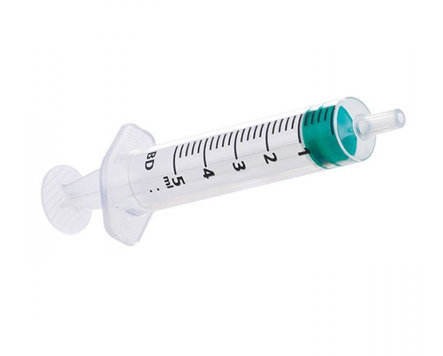
It is advisable to make only that much feed that is required instead of making big batches and storing it in a refrigerator because fresh is always best and the feed should be warm enough to match the temperature of the mother dog. The quantity of feed going into the pup depends upon its age and the breed size. A newborn pup should be fed every 2 hours from a 5ml syringe. For that, we usually fill up a 5 ml syringe with the formula and feed the pup very slowly, almost drop by drop because of a puppy that is young might not be great at nursing motions yet. The quantity will gradually increase with time.
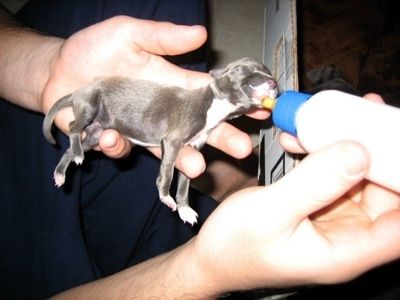
How to feed?
The natural way a puppy feeds is sprawled on its tummy just like they would while lying next to each other on their tummy with their noses and paws touching their mom’s belly. This way, the chances of them breathing the formula in their windpipe greatly reduces.
Another important factor in this is the nipple size of their feeder which again depends on the dog breed. A smaller dog like a Chihuahua will need a smaller nipple size than a malamute, for instance. For very small or very young puppies you might need to try feeding them very slowly with a syringe rather than a bottle. The hole in the nipple should be big enough for the thick formula to drip out, but it should do so very slowly, not so fast that they are getting too much or the formula is leaking out around their mouths because they can’t swallow it fast enough. The same goes for feeding with a syringe. Choking can occur so we need to be mindful of this.
Homemade recpie for the milk base feed
A very simple and very basic recipe with dairy fresh cow’s or goat’s milk is 1 cup lukewarm milk, 1 egg yolk, 1/2 teaspoon of simple syrup made from sugar and water. Keep the formula slightly warm and mix well but avoid getting any air bubbles in it. We don’t want a lot of air bubbles upsetting the puppy’s tummy.
If you want to make a homemade puppy formula, try this recipe: Mix 1/2 cup of evaporated milk with 1 cup of boiling water, 1 drop of a pediatric multivitamin, 2 raw egg yolks, and 1 tablespoon of plain yogurt. Heat the formula to room temperature. Check with your veterinarian to be sure this is the best recipe you could be using.

 Loud Thoughts