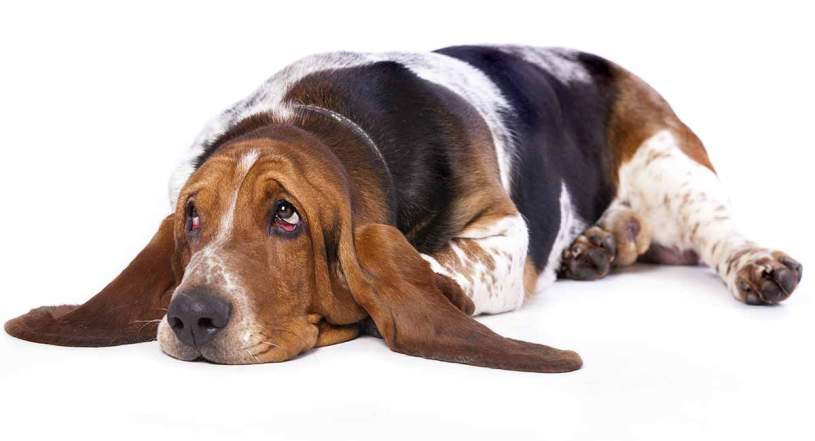
With the onset of old age we usually see our dogs having trouble with simple movements like getting up rapidly or walking/running for a longer duration. Sometimes they even develop a slight limp in their hind legs. This mostly has to do with their hip and joint muscles and is seen mostly in aged dogs and in large breed dogs. So let’s discuss some points regarding how to check if it’s just a temporary pain caused by an injury or something more than that. The signs you should look for are:
- An awkward walk. If your dog is suddenly walking a little different, in a limping way to avoid pain on one side of the hip then you should check if there is any injury to that side of the paw or leg and if that’s not the case then it can be a deeper hip problem.
- Struggling with basic movements like standing, laying or climbing stairs. When the dog is young, it will not have any issue running around all day in all kind of terrain but as it ages, especially if it’s a large breed dog, it will develop some lethargy for physical activity. But if it is something different than just laziness like getting up or laying down in a slow, funny way then it might be a sign that they need medicinal or nutritional help.
- Running with a bunny hop. Sometimes dog instinctively lift both legs to move or run to lessen the pressure on the hurting joints. This is called bunny hop and if the dog is doing it for quite some time then a visit to the vet is probably due.
- An odd posture of sitting or standing. A dog with hip pain might sit or stand with narrow hind legs to support its body better and reduce the pressure on its hip. Again, if your dog is aged and hasn’t endured any serious injury but is still displaying these odd posture and walk signs then it’s better to consult a vet about it.
- Swelling or popping sound from joints. These are other very important things to look out for in your dog when you are suspecting a deeper hip problem. If there is a swelling in or around joints and the dog is showing signs of sensitivity and pain on touch then it’s a good idea to consult a vet. Furthermore, try to listen for any popping sound coming from the dog’s joint as it is another symptom adding to the problem, although a less serious one.
If you notice these signs in your dog and want to know for sure if it is a chronic hip or joint problem, you should take your dog to the vet. The most common method used is a hip x-ray and a quick a hip joint laxity check, and a blood test, which is common practice in a general checkup. This will determine how serious the problem is and a course of action can be decided upon for the treatment.
However, sometimes, depending upon the severity of the situation and your dog’s age, a vet might go for an invasive treatment method which might mean your dog being operated on.
If we become a more aware pet owner, we can avoid these issues arising in our dog in its old age by becoming proactive and including certain healthy dietary and lifestyle habits since its puppy days. Also, In addition to the pain medication that your vet may prescribe, there are a handful of non-surgical treatments and practices every pet owner can take advantage of.
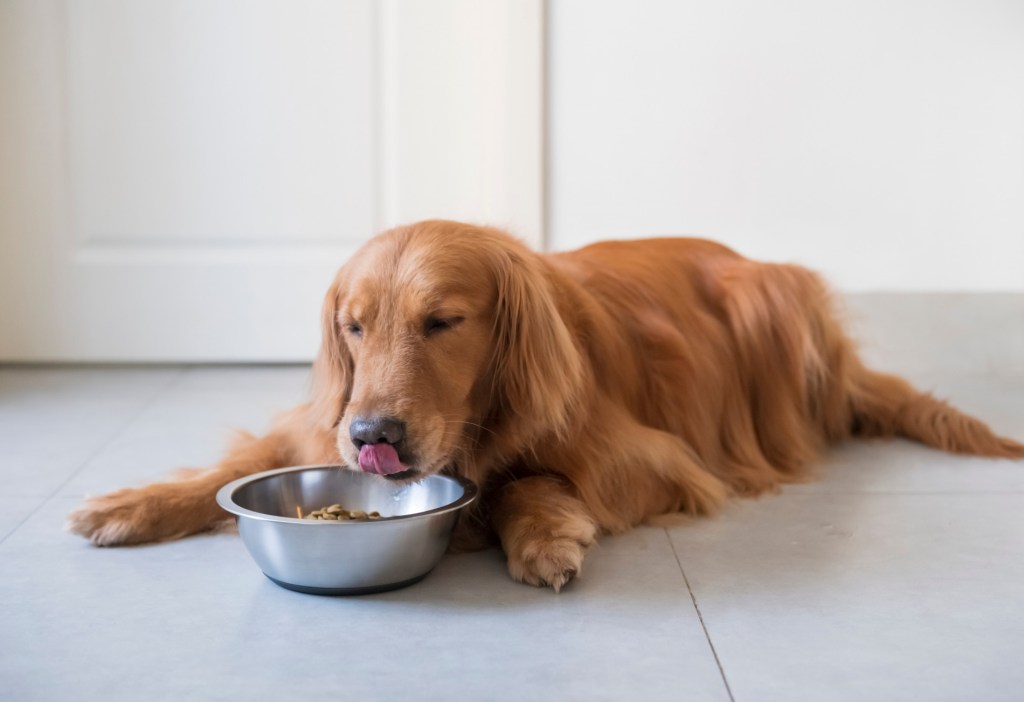
A Balanced diet rich in nutrients like vitamins, minerals and healthy fats is very necessary for a dog’s growth and health. without these, its body is left weak with poor stamina and joint health. One of the most important part of your dog’s diet is whole meat which is a main source of protein, vitamins and healthy fats. Dogs are omnivores but meat is essential for them to grow into a strong, healthy body. Next item on the list is fruits and vegetables like pumpkin, watermelon, sweet potatoes etc. essentially seasonal herbivore harvest that is known to be safe for a dog’s consumption. They carry a large amount of water thus helping in proper hydration and fibre intake which is important for them. In the grain section, Oatmeal, rice and barley have known to be safe for the consumption of a dog throughout history. A safe way to know if any new diet is suiting your dog or not is to only give it that diet for a few days and see any kind of change in their energy levels and gut health.
Using quality supplementation for your dog is also a good option to make up for any deficiency that might be there in their regular diet. Supplements like Glucosamine for Dogs, MSM (short for methylsulfonylmethane),Omega-3, Turmeric. Find a good quality product with these in it as healthy supplements treat your dog’s pain safely and naturally with little to no negative side effects. That’s why owners across the country are turning to high-quality supplements to keep their dogs functioning at their best.
Physical Therapy: Did you know specific kinds of movement and gentle stretches can actually reduce your dog’s pain and improve their mobility?Underwater treadmills, can also be a useful technique to restore your dog’s health. Of course, be sure to check with your vet before starting a physical therapy program.
Weight Control: Did you know when animals in the wild are sick, they naturally stop eating for a time? They have an innate understanding of the body’s ability to heal itself, very similar to what we humans call as fasting. Its working logic is similar. When your dog has less to eat, their cells naturally clean up unneeded waste in the body. This cleanup process can be very effective at reducing their overall inflammation. But always put your dog on a diet after consulting with a vet.
By looking for early signs of hip problems, keeping your pup active, giving them the nutrients they need, and going in for regular check-ups, you should be able to help your dog stay healthy and relatively pain-free for as long as possible. And ultimately, keep that tail wagging. Awareness is always the key.

 Loud Thoughts